Your Vote is your Power! Register as a voter today!
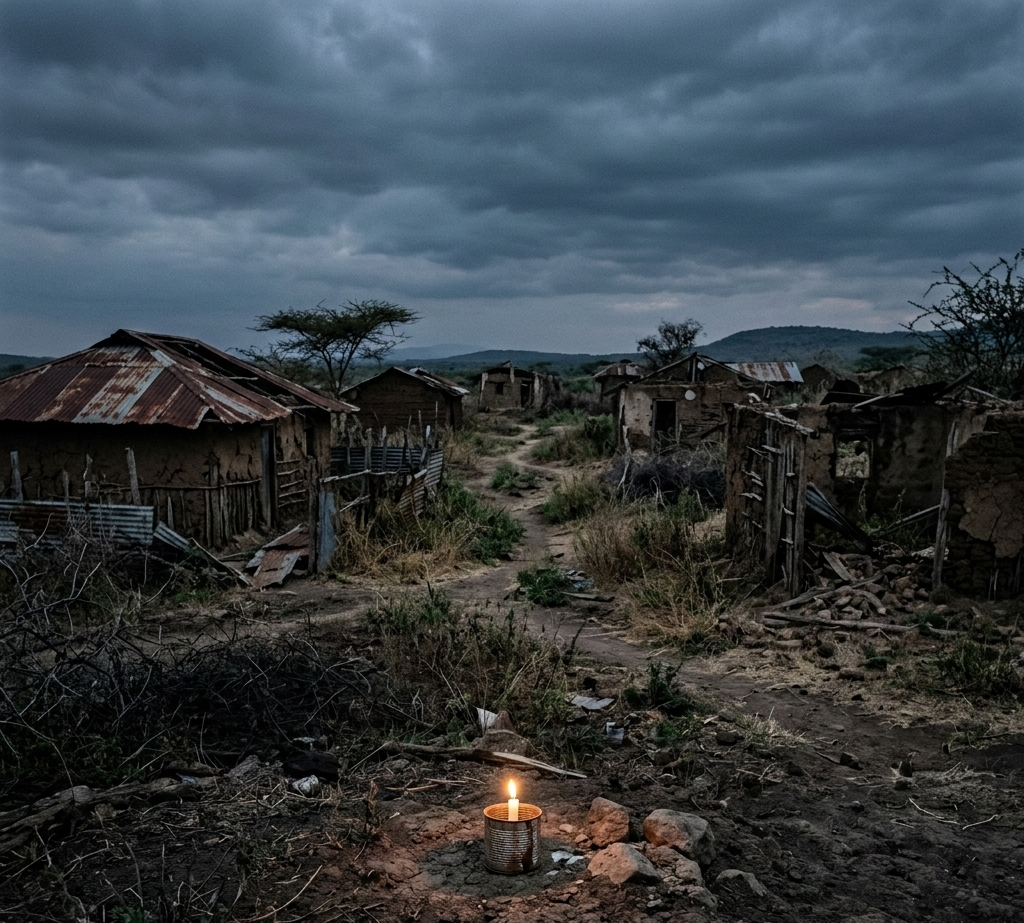
Do Not Forget!
Floods that swallowed homes because drainage budgets were stolen. Hospitals without medicine because procurement funds vanished. Children who never went back to school because a bursary never arrived. Post-election violence that turned neighbour against neighbour because leaders chose power over people.
Kenya has endured pain that did not have to happen, and behind much of it is a failure of governance, accountability, and leadership. This page is a record of that cost. Not to dwell in despair, but to ensure that when you walk into that polling station, you walk in with a full understanding of what your vote prevents and what your silence permits.
Remember. Then Act!
Kenya's History of Governance Failures
These are not stories of bad luck or natural misfortune. They are stories of warnings ignored, funds stolen, regulations unenforced, and lives lost because the people in power failed the people who put them there.
Each entry below represents a moment where better leadership — leaders chosen more carefully, held more accountable, and voted out more decisively — could have changed the outcome. Read them, remember them, and carry them with you when you vote.
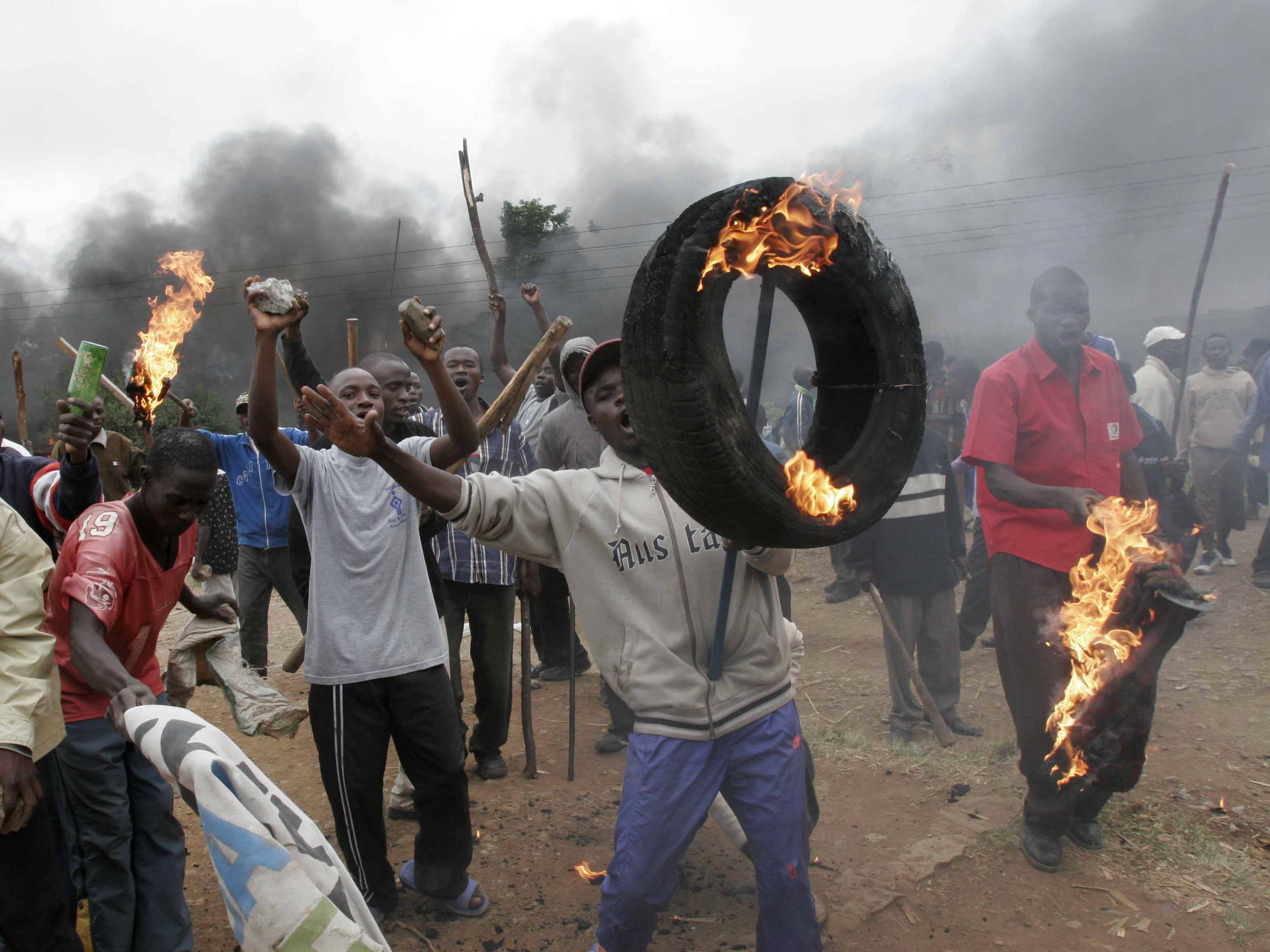
1. The 2007–2008 Post-Election Violence.
The post-election violence of 2008 left over 1,000 dead and some 350,000 displaced after a disputed presidential election.
The violence destroyed more than 115,000 private properties, and sexual violence was widespread, perpetrated by neighbours, militia groups, and even the police.
It was a direct consequence of ethnic politicisation, electoral manipulation, and decades of leaders using tribal divisions to gain power rather than build a nation.
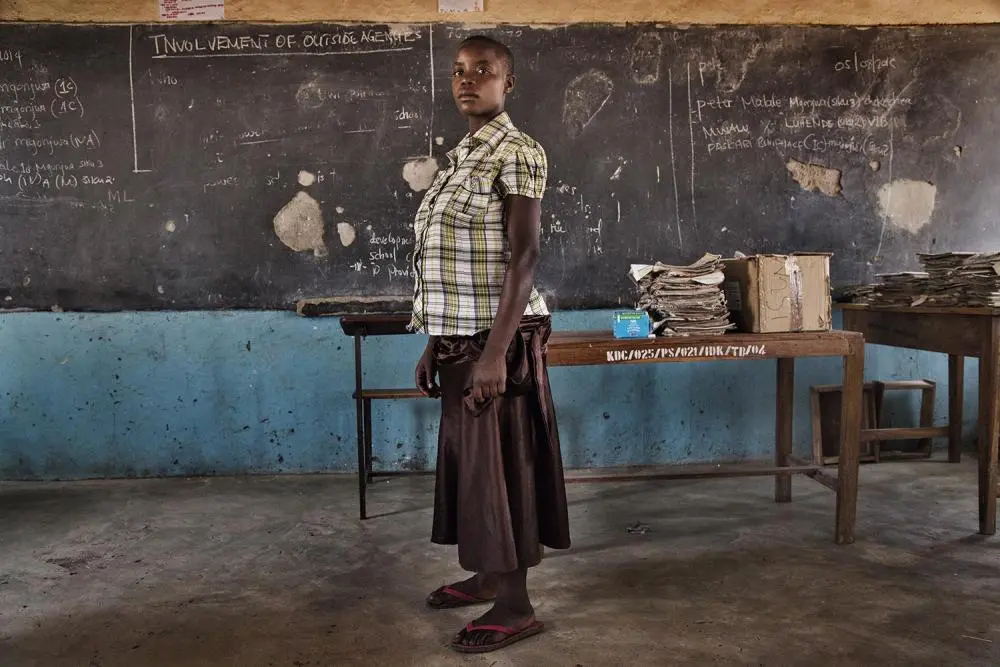
2. The Free Primary Education Funds Theft — 2009
In January 2010, the US government announced it was suspending education funding to Kenya following reports that more than $1 million was missing from the country's primary schooling programme.
Britain had already withheld approximately $16 million in grants over the disappearance of funds for the free primary education programme.
Children across Kenya went without textbooks, desks, and teachers because funds meant for their classrooms were stolen by officials entrusted to deliver them.
3. The Sinai Pipeline Fire — 2011.
Two years before the disaster, Kenya's Daily Nation published a report warning that the slums in Sinai were a disaster waiting to happen. Residents had built shanties and even a church directly on top of the pipeline. The government acknowledged the risk but failed to relocate anyone.
On 12 September 2011, a fuel leak from a Kenya Pipeline Company pipe flooded into the storm drain system running through the Sinai slum. Approximately 100 people were killed and at least 116 others were hospitalised with varying degrees of burns.
Kenyan law required at least 55 feet of clearance on each side of any pipeline, but squatters had been living on top of it for approximately 20 years, and the government had failed to act. The disaster was not an accident. It was the inevitable result of a warning that was read, filed, and ignored.
4. The Westgate Mall Attack — 2013.
A leaked intelligence file revealed that senior Kenyan officials, including four cabinet ministers and the chief of defence, had received specific warnings about a planned attack on Westgate Mall. One report dated September 21, 2012, exactly one year before the attack, named Westgate Mall as a specific target.
The warnings were not acted on. On 21 September 2013, four masked gunmen attacked the Westgate shopping mall, killing 67 people including civilians and Kenyan soldiers, and wounding approximately 200 others.
A general warning was also issued about impending terror attacks on malls 19 days before the attack, and it was not acted on. President Kenyatta later admitted that the response was "bungled." The lives lost at Westgate were not just the work of terrorists, they were also the cost of a government that received intelligence and chose inaction.
5. The Garissa University Massacre — 2015.
Prior to the attack, there had been high-profile warnings about a threat to a major university. A student at a nearby college noted that strangers had been spotted in Garissa town and were suspected to be terrorists — and that on Monday 30 March 2015, her college principal warned students and closed the institution.
The university, which remained open, was attacked two days later. On 2 April 2015, gunmen stormed Garissa University College, killing 148 people — 142 of them students — and injuring 79 others.
Kenya's Supreme Court later ruled that the state had failed in its duty to protect citizens, finding clear failures on the part of security agencies to provide adequate protection despite prior warnings, and ordered compensation to each victim's family. 148 young Kenyans went to university to build their futures, only to be massacred by terrorists. They deserved leaders who took warnings seriously.

6. The 2017 Doctors' Strike & Healthcare Collapse.
In 2017, the US government cut health funding to Kenya over widespread corruption in the Ministry of Health. USAID suspended $21 million in funding due to corruption and weak accounting procedures.
That same year, Kenyan doctors went on strike for over 100 days over unpaid salaries and crumbling hospital infrastructure, leaving millions without healthcare.
Patients died in public hospitals not because medicine did not exist, but because the money meant to buy it had been stolen.
7. The Solai Dam Collapse — 2018.
The Patel Milmet Dam burst amid heavy rains on 9 May 2018, killing at least 48 people. A government investigation concluded that none of the dams on the property were properly licensed and were therefore illegal.
Among the 47 who lost their lives were pupils, teachers, farmers, homemakers, and children as young as two years old.
Regulatory authorities had failed for years to enforce dam safety laws on private farms, and the consequences were fatal.
8. The KEMSA COVID-19 Scandal — 2020
Over $400 million in donations to Kenya disappeared in the first six months of the pandemic.
Massive irregularities at the Kenya Medical Supplies Authority (KEMSA) were revealed, including flouting procurement regulations and misusing public and donor funds earmarked for Kenya's COVID-19 response.
The Auditor General confirmed that Kenyans lost KSh 2.3 billion, with KSh 6.3 billion in over-procured items sitting idle in warehouses as health workers went on strike over the lack of PPE.
9. The 2024 Floods
As early as May 2023, Kenya's Meteorological Department warned that the country would experience enhanced rainfall due to El Niño, continuing into early 2024. Despite these warnings, the government was slow to act and it was not until April 24, after nearly a month of heavy rains and many deaths, that President Ruto announced the creation of a multi-agency response team.
By June 2024, the floods had resulted in 294 fatalities, 162 missing persons, over 100,000 affected households, 151 school disruptions, 45 affected healthcare facilities, and 65,377 acres of decimated farmland.
Residents noted this was not the first time, as similar flooding had hit the same areas in 2015 and 2024, with residents saying that every time it happens, people cry, complain, and then everything goes back to normal. It is unclear what happened to the billions set aside for flood preparedness, with some media reporting the money was misappropriated. The rain was natural. The death toll was not.
10. The Gen Z Protests & Finance Bill Crisis — 2024.
In June 2024, Kenyan youth took to the streets in historic protests against the Finance Bill 2024, which proposed new taxes on essential goods amid a crippling cost of living crisis driven by years of reckless borrowing and corruption.
Public anger was fuelled by killings of demonstrators and accusations of corruption and misuse of public money — the direct result of ambitions of past leaders who followed the path of easy money.
Several protesters were killed by security forces. The protests were a generation's verdict on decades of misgovernance.